 Trusted Shops: 4.84/5,00 (10085)



You can trust us!
We have been there for you locally for over 40 years and look back on over 20 years of experience in the mail order business.

Speech and vocal microphones: live or for the studio
When a singer deals with vocal microphones, sooner or later the terms dynamic microphone and condenser microphone come up. What does that mean and what are the advantages and disadvantages ?
Due to their construction / acoustic , dynamic or moving coil microphones are extremely robust, less susceptible to feedback and they do not require a power supply . They are the ideal companions for the stage and anywhere where things get rough. Another advantage is that they are priced lower than the capacitor models. Ribbon microphones are also dynamic sound pickups. However, they are very sensitive and are therefore rarely used on the road.
The condenser microphone is more complex and complicated in construction. Voice and singing sound more detailed and nuanced. It is said to have sound properties such as open, airy and realistic. This is ensured by the larger frequency range . For this purpose, the microphones require a permanent power supply , also known as phantom power . A tension of 48 Volt is transmitted from a suitable interface, microphone preamplifier or mixer via the connected XLR cable . These types of microphones are used in recording studios and controllable environments.
Large membrane or small membrane
Studio condenser microphones are offered in both versions. The smaller models in diaphragm diameter are usually cigar-shaped and designed for frontal sound absorption . The enclosure of the large diaphragm microphones is more voluminous and designed for audio recording from the side .
What is crucial about the pickup pattern ?
Microphones can be divided into the catagory of directional or non-directional . Non-directional means the sound is picked up from everywhere and there are no dead spots. When recording, you don't have to pay direct attention to where the microphone capsule is pointing. This is the case with the omnidirectional characteristic .
In contrast to this is the cardioid characteristic . These types of microphones are most sensitive at the front. This is where the sound is recorded loudest and - according to the corresponding frequency information - unadulterated. Towards the side they become less sensitive. The lowest sound components are recorded at the base of the microphone handle (rear). If you stand in front of an audience and sing or rap, the microphone grip points towards the crowd. The fan cheers and applause are blocked out by the cardioid polar pattern.
Supercardioid and hypercardioid are more directional than normal cardioid. Ideal for interview situations, for example. Here you have to pay close attention to the alignment of the microphone capsule. If you miss the target, the volume level and the clarity of the signal immediately drop. The supercardioid and hypercardioid characteristics also pick up sound from behind . Here, singers should make sure that their monitor box on the stage is positioned diagonally and to the side in front of them. The side sound is attenuated more with these mic characteristics than with the normal cardioid type.
TIP: Some microphones can change and adjust their characteristics using a selector switch .
Important notice - the proximity effect
Especially live on stage, things can sometimes get hectic and you end up with the microphone too close to your mouth. The vocals sound bassy and muffled. This proximity effect is directly related to the directivity of the vocal microphone. Creative people, like beatboxers, give their bass drum more oomph. If the effect is completely undesirable, some microphones have selectors for bass reduction or lowcuts. The safest way to go here is with a cardioid microphone.
How much does a vocal microphone cost?
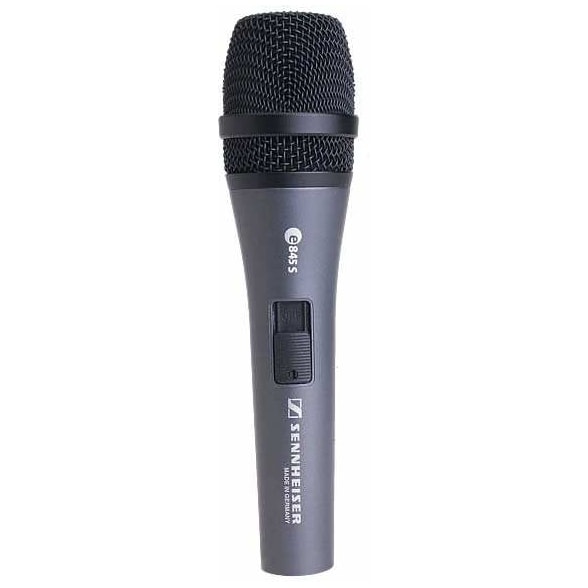
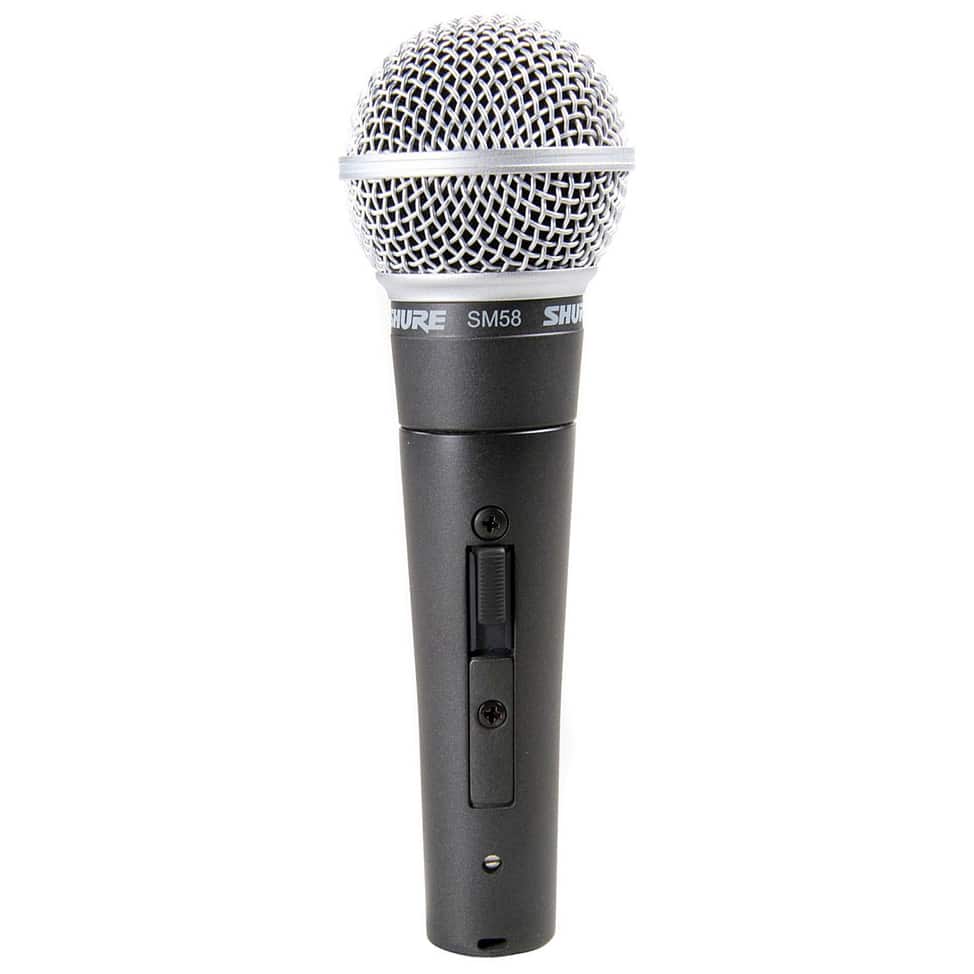
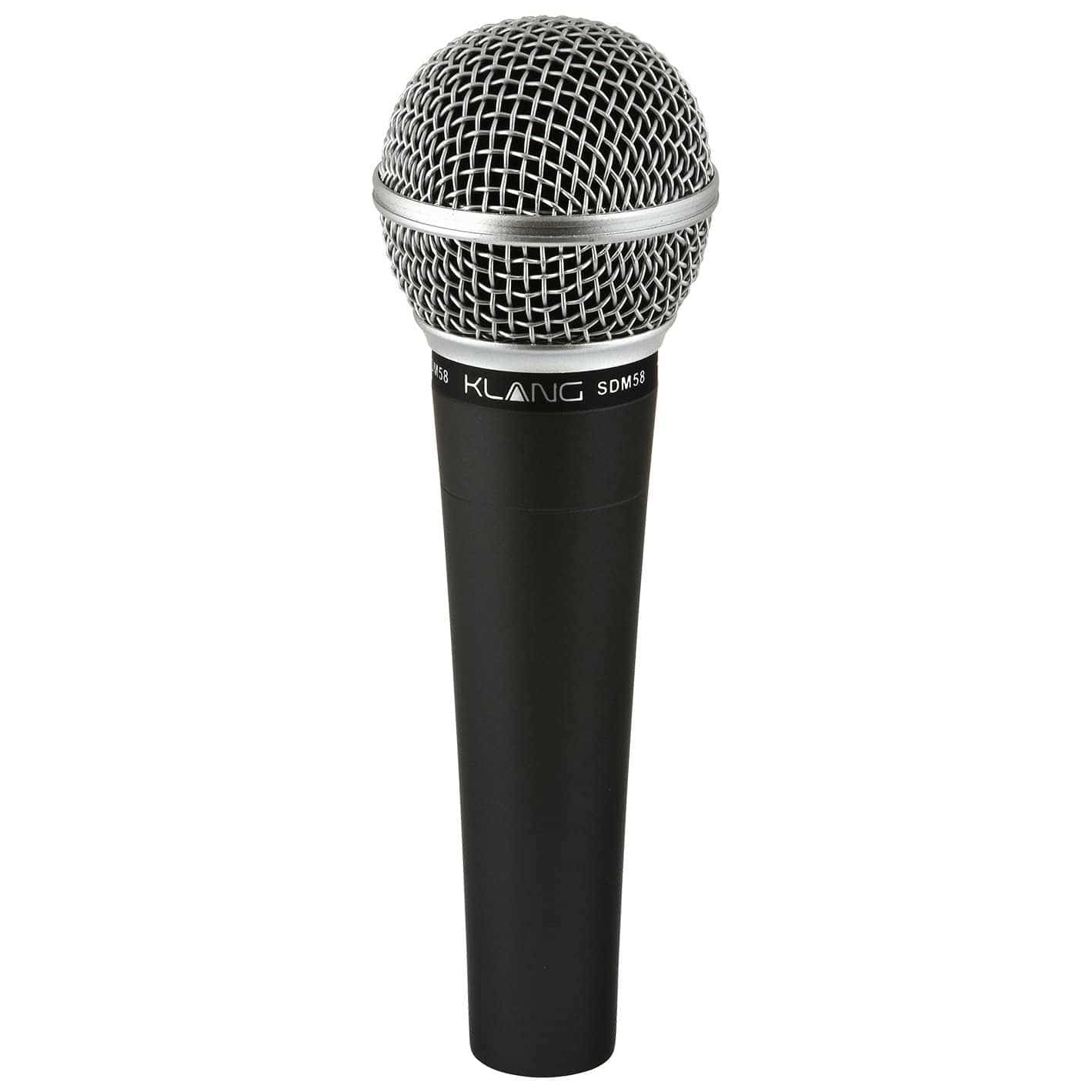
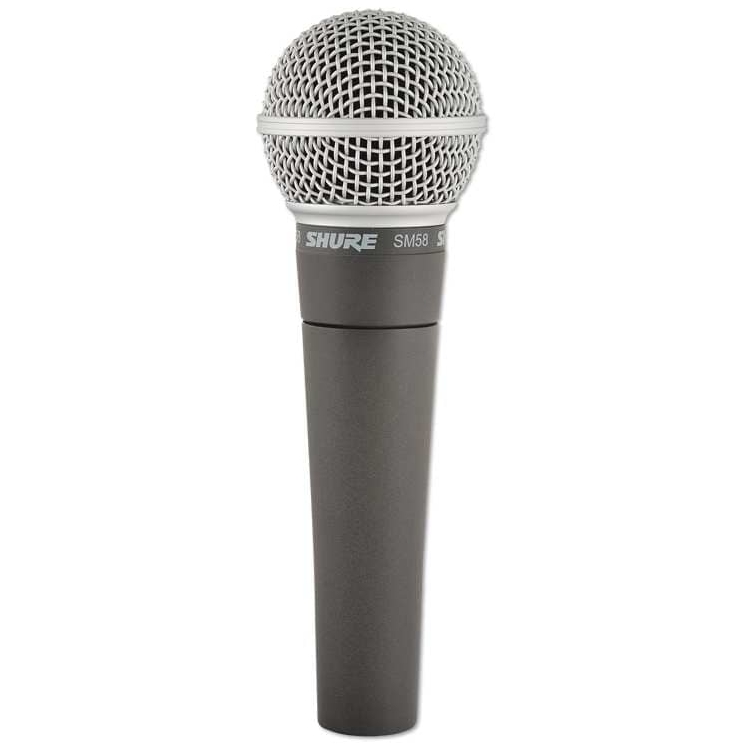
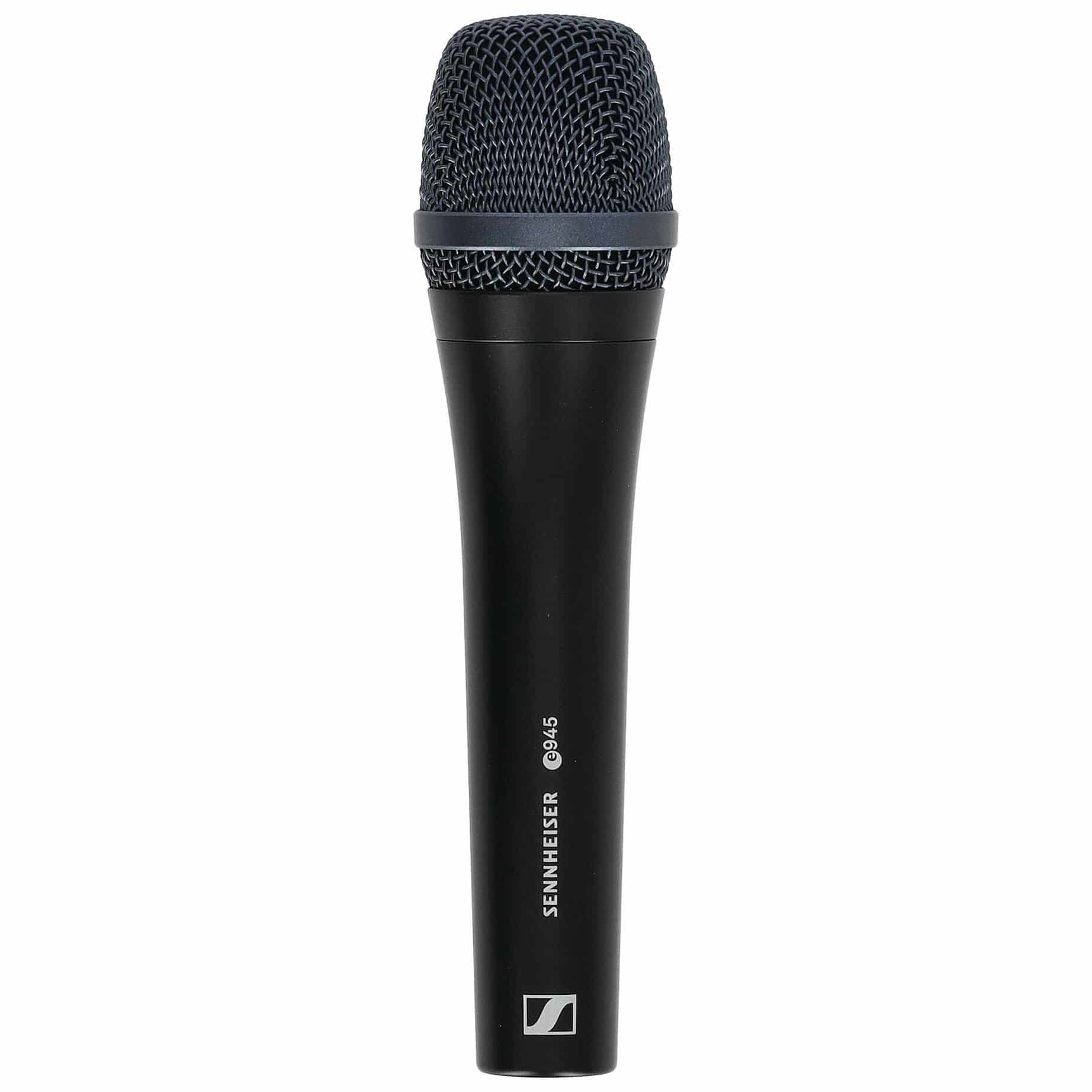
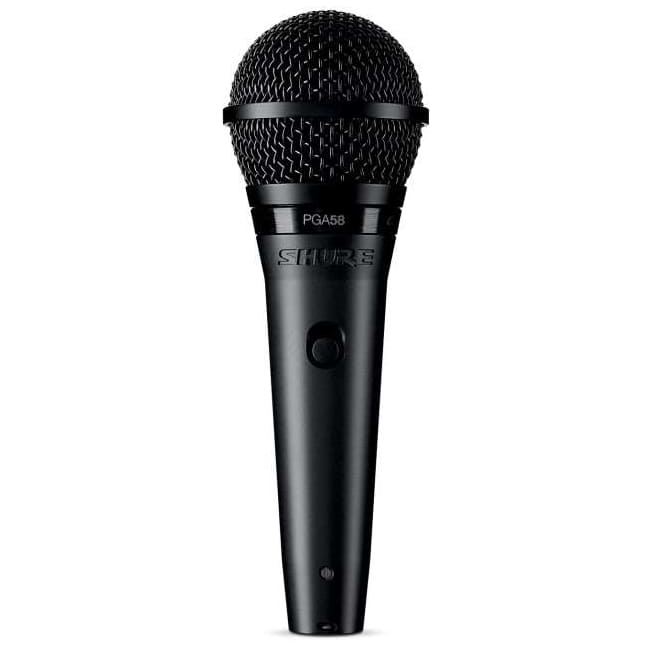
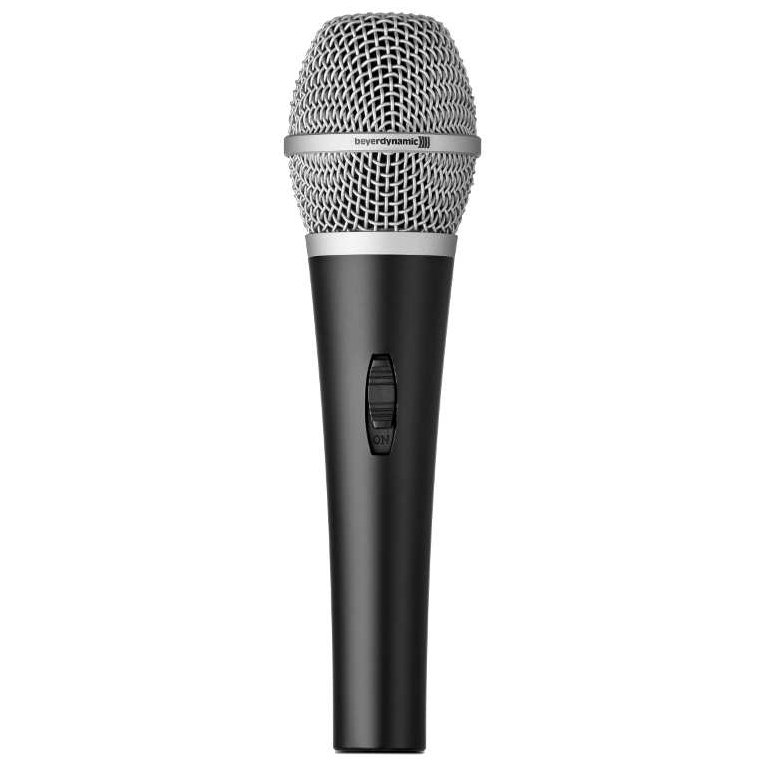
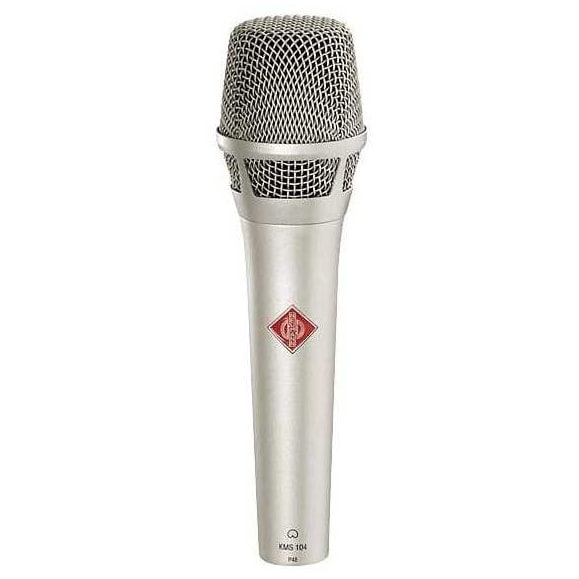
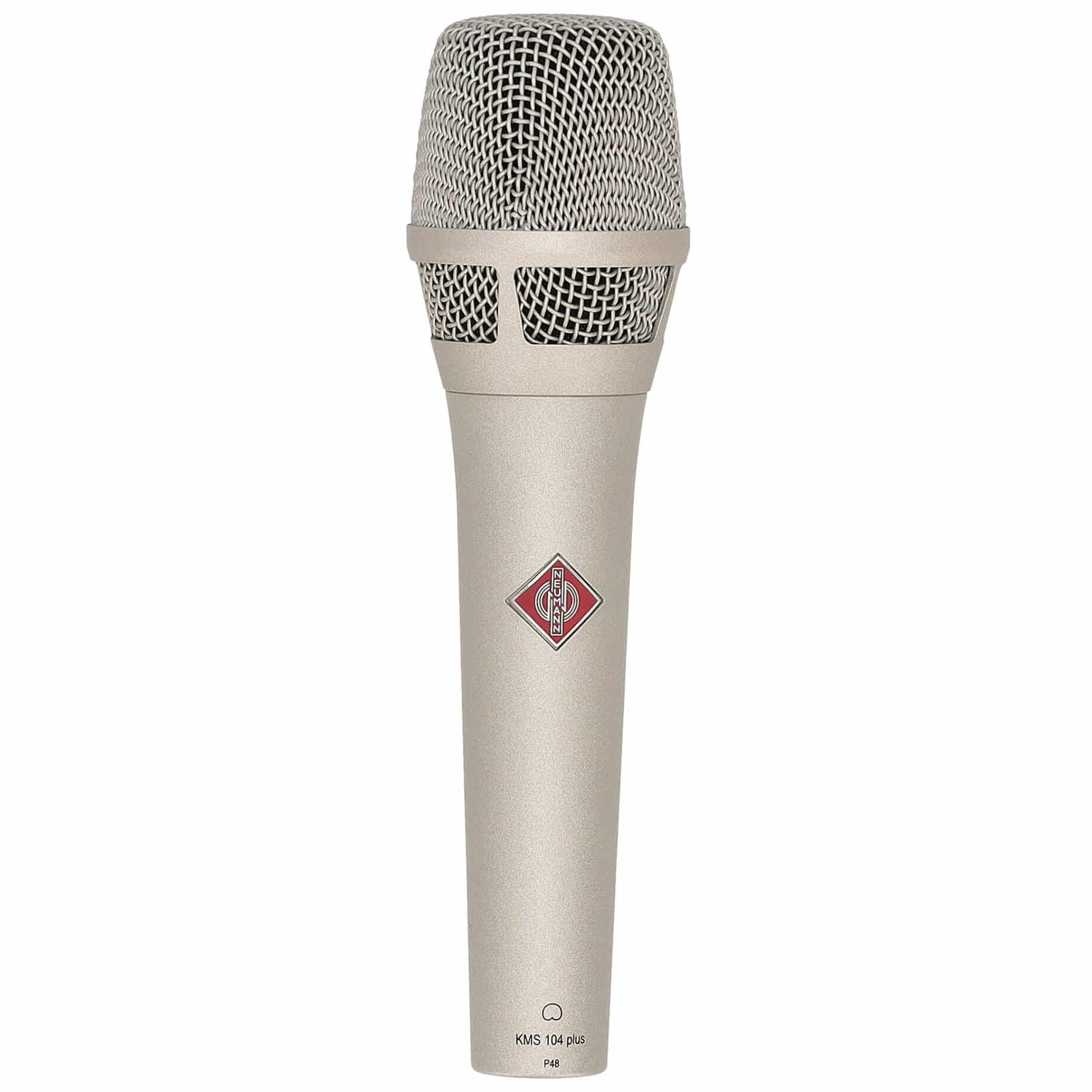
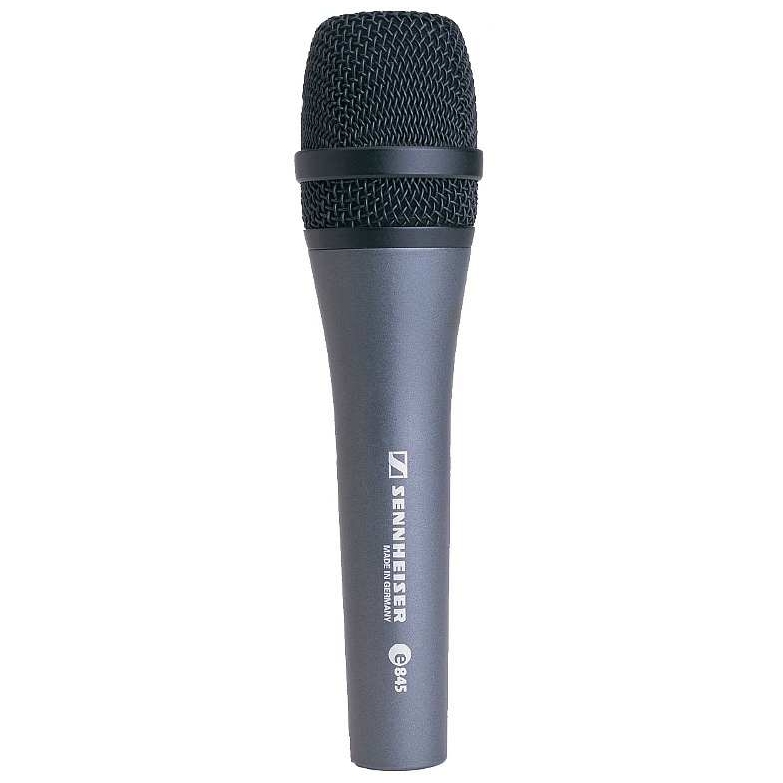
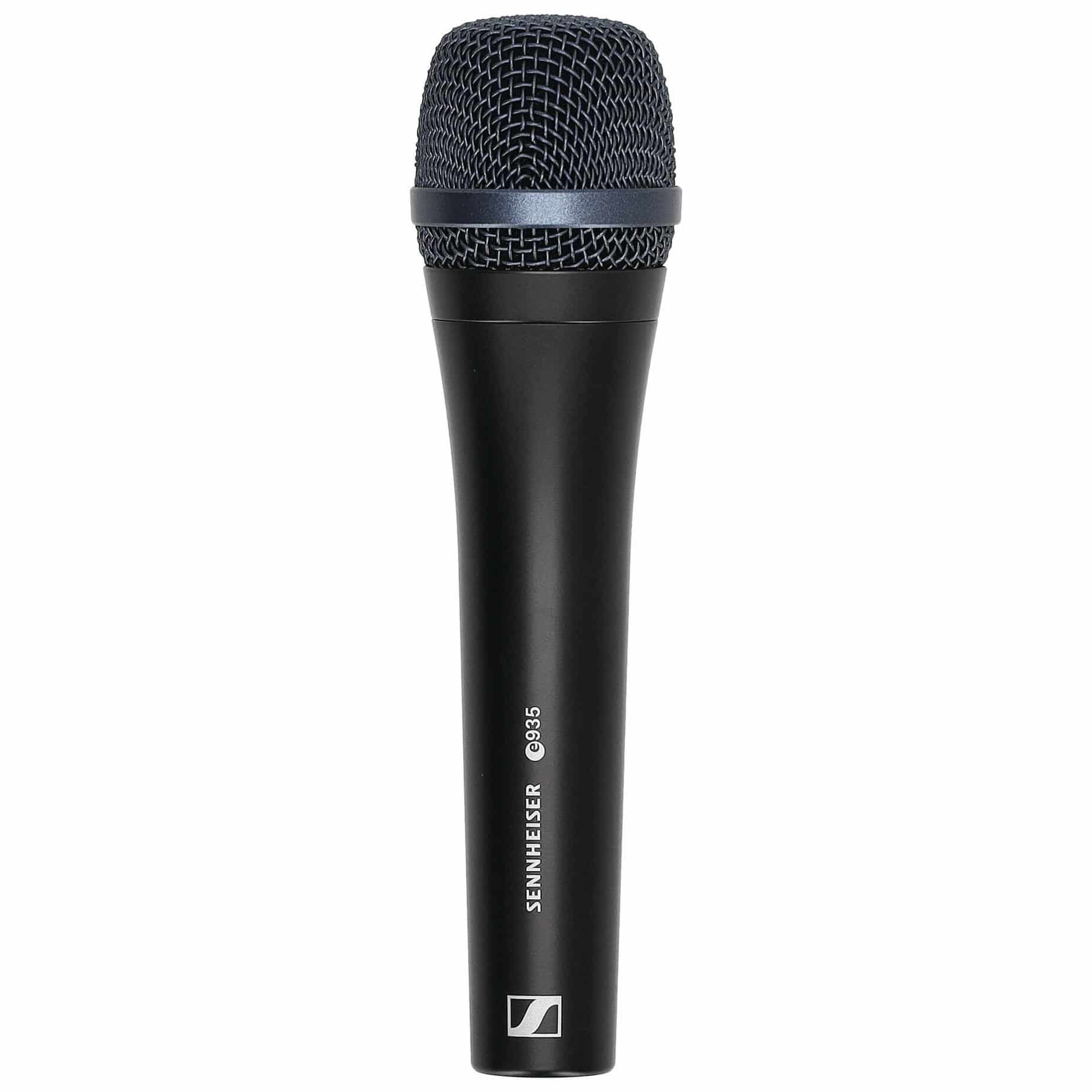
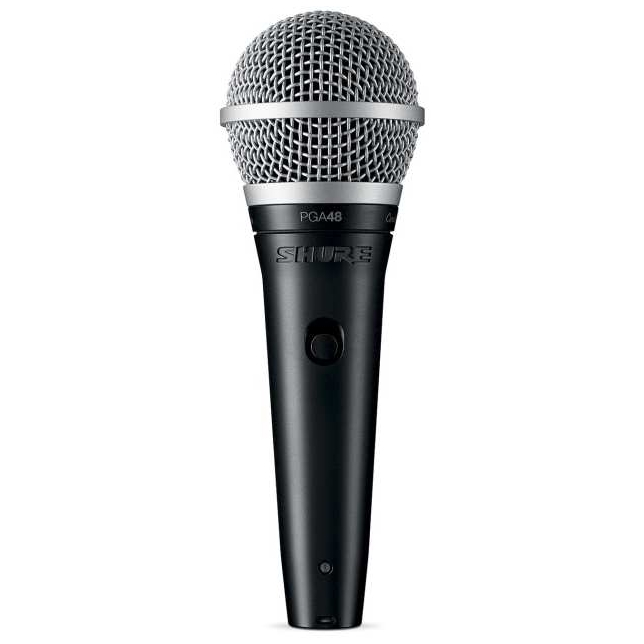
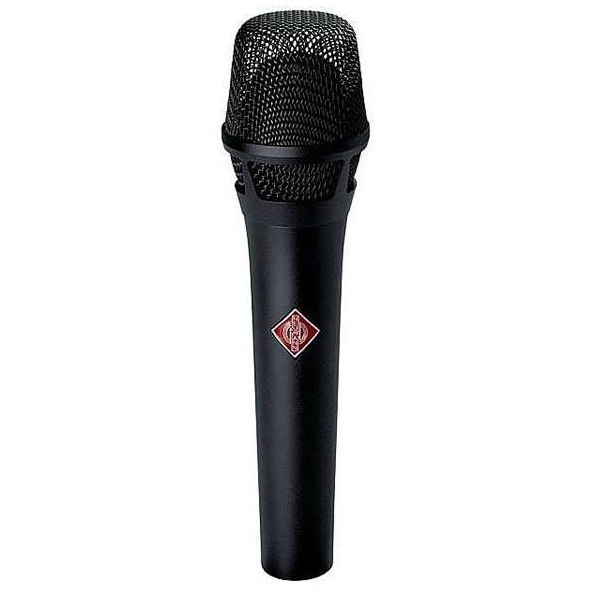
Cheap entry-level microphones, like the sound SDM 58, cost less than 30 euros . Classics such as theShure SM 58 , the Sennheiser e 845 or the Beyerdynmaic TG models are priced around 100 euros . The noble NEUMANN KMS series commands prices starting at 500 euros .
In our video guides to vocal microphones under 100 euros, we test the sound of five common models.
What brand of speech and vocal microphones are there?
In addition to well-known manufacturers such as Sennheiser , Shure and Rode, session offers products from sound and Neumann . Numerous vocal microphones can be ordered immediately in our online shop. In our catagory of wireless systems for language and singing we have current wireless radio microphone set offers from Line 6 and AKG .
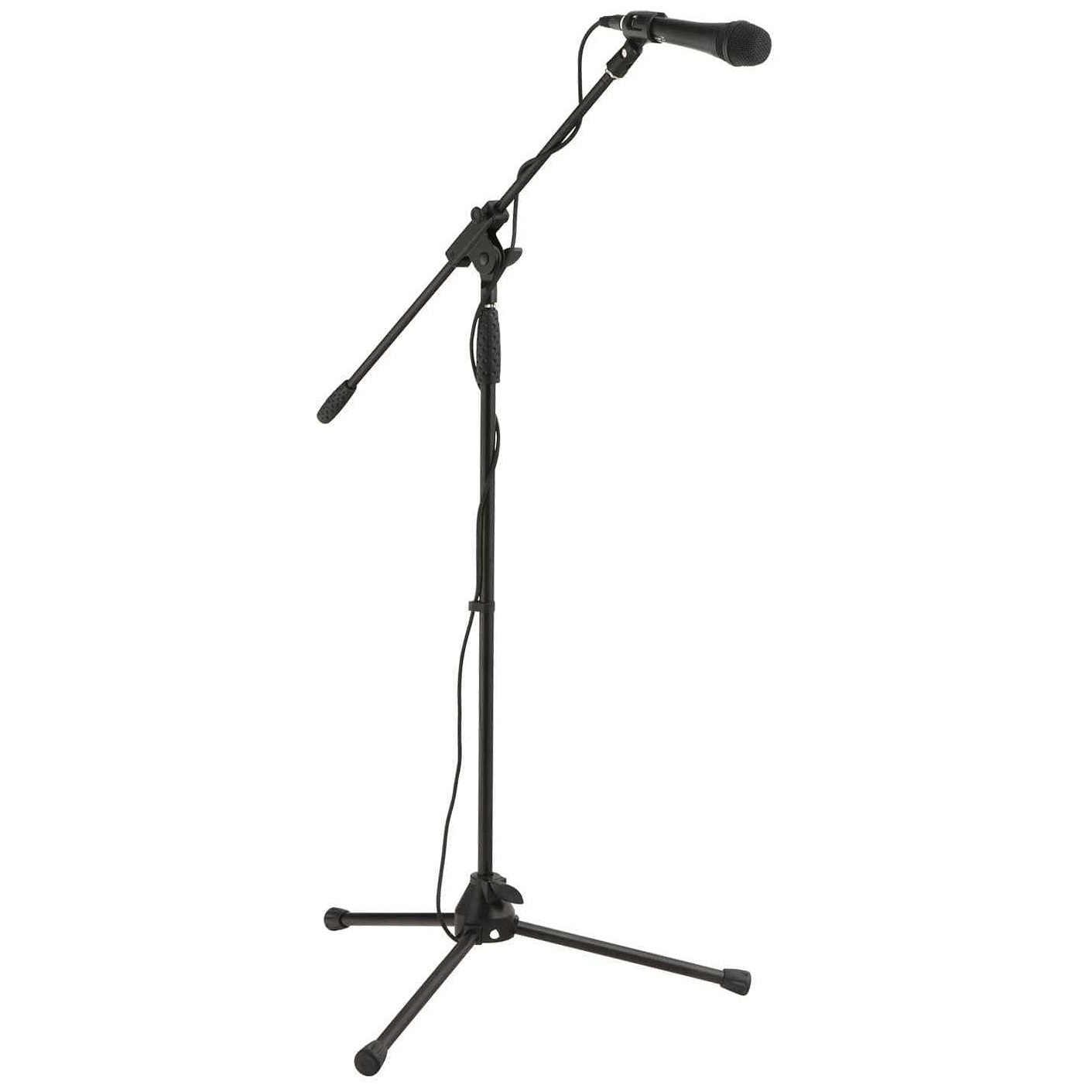
Do you already have a mic and are looking for the right stand ? In our online guides “Finding the right microphone stand” we will help you to be happy. If you have any questions or need further information, our colleagues are available on the phone or in our local branches.